

Even if you're not a computer expert, chances are you've heard of servers before. This word may seem a bit mysterious, but it represents a crucial element not only of the Internet but of many other applications. So, what exactly is a server? How does it work and what are its main uses? In this article, we explore these questions to clarify the role and importance of servers.
What is a server and why is it important?
A server can be understood as both software (a program) and hardware (a physical device such as a computer, whether local or remote). Its main function is to “serve” information, data, services or resources to other software or devices, known as clients. The term "server", in fact, in English means "servant". Essentially, a server processes requests from clients and provides them with the requested information or resources.
What does a server actually do?
From a software perspective, a server can host different types of applications, depending on its role. For example, a web server manages and delivers web content, an email server handles email communication, while a file server offers storage and sharing services.
A fundamental aspect in server management is security. This includes protection from unauthorized access, cyber attacks and data loss. Regular maintenance and updating of security software is therefore crucial.

Main types of servers and their functions
There are different types of servers, each with specific functions. Here are the most common:
- Web servers: Hosts files from one or more websites and makes them accessible to clients who wish to visit those sites.
- Mail server: Manages the sending, sorting, receiving and archiving of email messages.
- Proxy servers: Works as an intermediary between a client and another server, offering filtering and encryption functions for greater security.
- Game servers: Created for multiplayer online games, hosts the game and manages game data, allowing smooth interaction between players.
- File servers: Common in companies, it centrally stores files, making them always available to connected computers.
Physical or Virtual Servers?
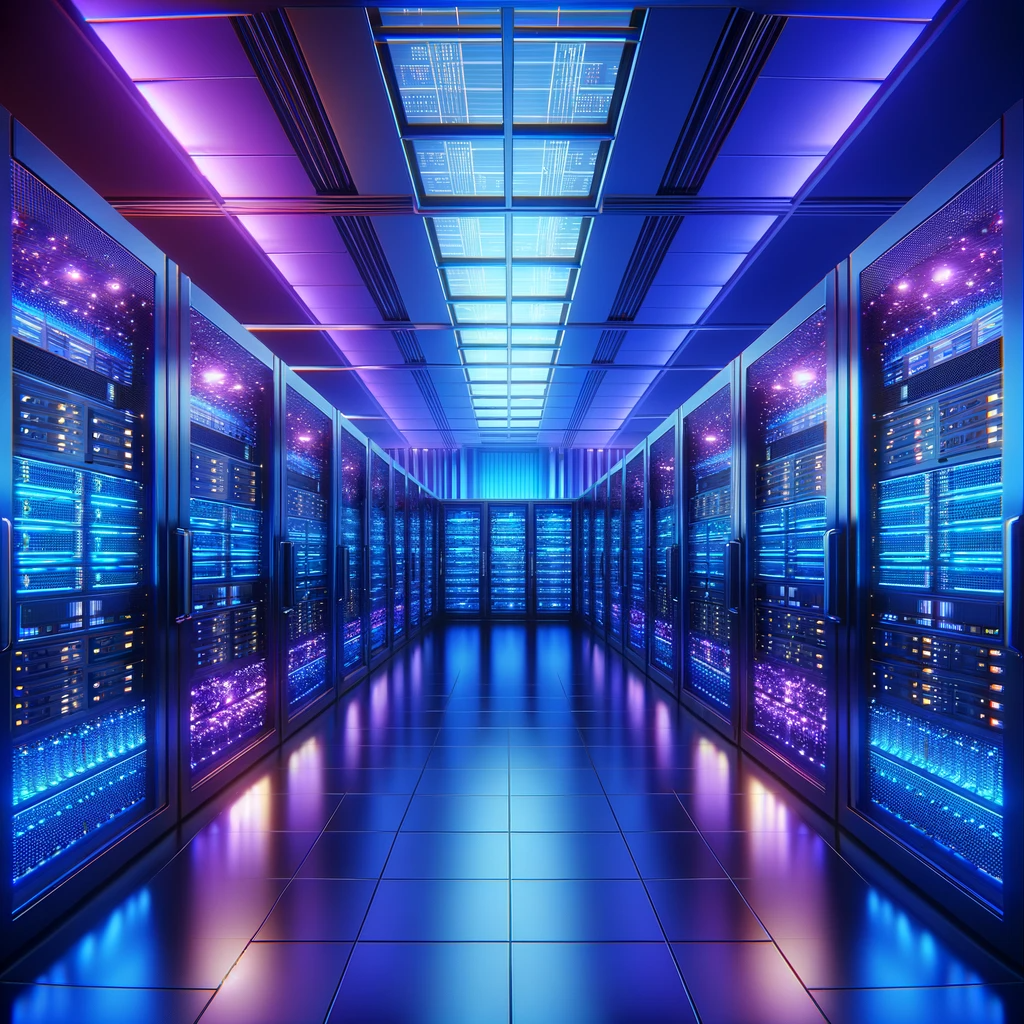
Furthermore, servers can be physical or virtual. A physical server is dedicated hardware, while virtual servers are created through virtualization, allowing multiple servers to operate on a single physical machine. This improves resource efficiency and facilitates management.
In conclusion
Now that you have a clear understanding of what a server is and its functions, you can decide which type of server is best suited to your needs. For example, if you want to create a website, you will need to find the best hosting provider to rent space on a web server to store your site's files.
There are many hosting options available, including dedicated server solutions, website hosting, and WordPress. The choice depends on your specific needs and the goals you want to achieve.
Still don't know where to start?


